


Water Heater Storage Tanks | Boston, MA
A water heater storage tank is a crucial component of your home's hot water system, ensuring consistent access to hot water when you need it most. For homeowners in Boston, professional storage tank installation or replacement can improve energy efficiency, extend system lifespan, and provide reliable hot water year-round.
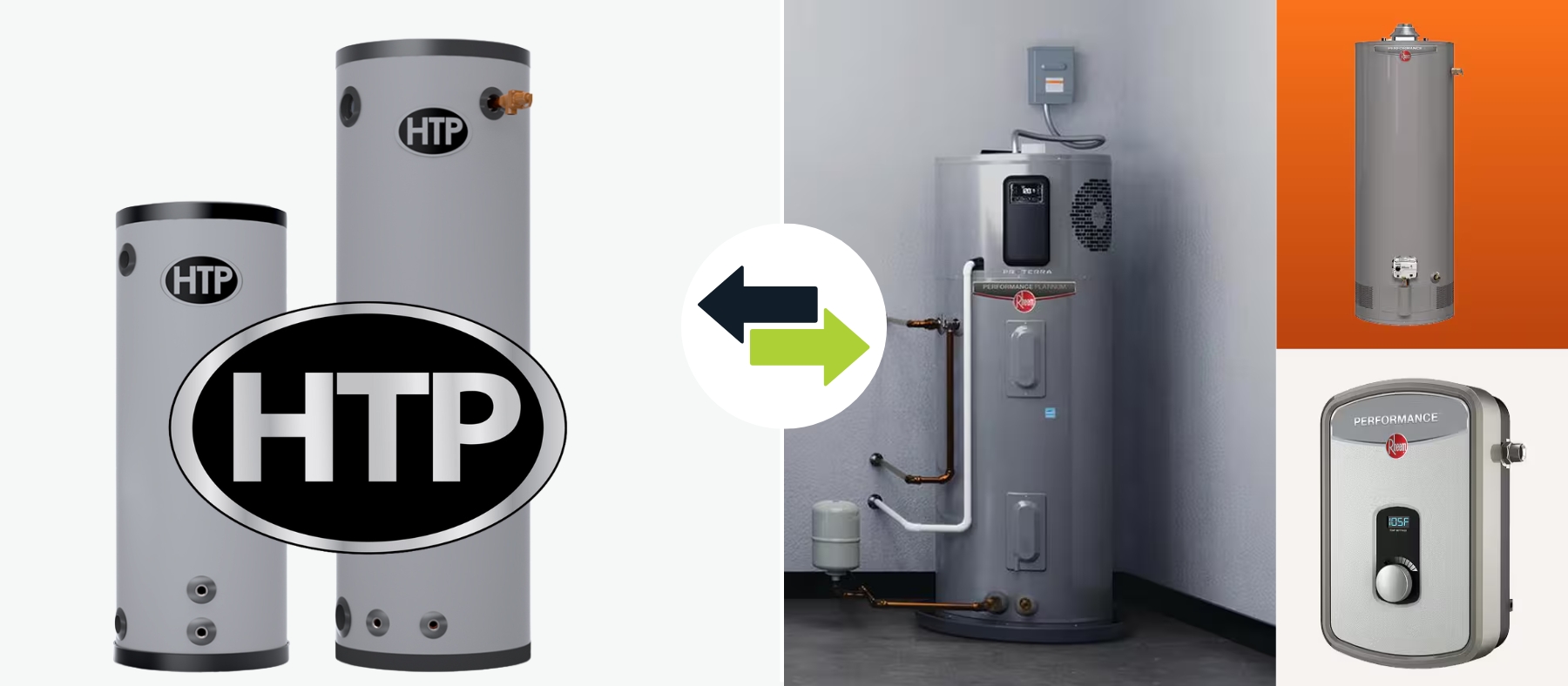
Why Boston Homeowners Need Reliable Water Heater Storage Tanks
Living in Boston means embracing the charm of four distinct seasons—but it also means ensuring your home systems are ready to handle frigid winters, unpredictable spring thaws, and changing demands on your utilities. One system that often works silently behind the scenes is your hot water heater. But even the most efficient water heater needs the support of a properly sized and installed water heater storage tank.
Boston homes, especially older colonial-style residences and brownstones, often include legacy plumbing systems that benefit from replacement or upgrade with high-efficiency home water heater storage tank options. Whether you're feeling frustrated about running out of hot water during your morning shower or you're considering an energy-efficient solution to complement your solar or hydronic system, your storage tank plays a critical role.
“In Boston's cold months, consistent hot water isn't just a convenience—it’s a necessity. Upgrading your storage tank guarantees better reliability and improved efficiency.”
Let’s explore why a professionally installed hot water storage tank could be one of the smartest upgrades for your Boston home.
Water Heater Storage Tank Options for Boston Homes
Choosing the right water heater storage tank begins with understanding your options. Whether you're rebuilding, retrofitting, or simply upgrading, there's a solution tailored to meet the heating and spatial needs of your property.
Direct vs. Indirect Water Heater Storage Tanks
The two main types of storage tanks—direct and indirect water heater storage tank systems—have different mechanisms for heating water. In Boston homes where energy efficiency is a top priority, indirect systems are often recommended.
- Direct Tanks: These include built-in electric or gas heating elements. They are typically affordable and easier to install, but they may be less energy-efficient in the long run.
- Indirect Tanks: These are heated via a boiler or solar heating system. They're particularly effective paired with hydronic systems, making them ideal for Boston homes with central boiler heating.
Benefits of Upgrading an Old Unit
Most older Boston homes contain storage tanks that either don't meet current hot water storage capacity needs or show signs of wear. Upgrading provides numerous benefits:
- Improved energy efficiency
- Increased capacity for modern lifestyle needs
- Reduced risk of storage tank leaks and inefficiencies
Storage Tank Materials: Which Is Right for Your Home?
Whether you install a stainless steel, glass-lined, or composite tank depends on your household water chemistry and usage. For example:
- Stainless Steel: Ideal for long-term usage and resistance to corrosion
- Glass-Lined: Offers protection against mineral buildup from Boston’s moderately hard water
Understanding your home’s plumbing conditions and water quality can help guide this crucial decision.
“Many South End and Back Bay homes rely on outdated plumbing. Replacing the water heater storage tank can dramatically reduce heating inefficiencies caused by aging tanks.”
Hot Water Storage Tank Sizing: Get It Right for Your Boston Property
Correct storage tank sizing ensures you won’t run out of hot water during peak usage times—and it plays a major part in reducing energy waste.
How to Determine the Ideal Size
Choosing a domestic hot water storage tank that’s too small means cold showers. One that’s too large increases standby heating losses. For average Boston homes, a 40- to 80-gallon tank is common.
- 1–2 residents: 30–40 gallons
- 3–4 residents: 50–60 gallons
- 5+ residents or multiple bathrooms: ≥80 gallons
Considering Boston’s Climate
Boston winters regularly drop below freezing. A properly sized tank ensures warm water flow remains consistent—especially important if your tank is situated in an uninsulated basement or garage.
Boost Capacity with a Buffer Tank
For larger households or homes using radiant or solar systems, consider a water heater buffer tank. This supports hot water storage capacity, ensuring there's always water ready during peak demand. It also helps stabilize system temperatures in hydronic storage tank applications.
“Homes in neighborhoods like Jamaica Plain or Dorchester that use both baseboard heat and domestic hot water can benefit greatly from integrated hydronic and buffer tank systems.”
Home Water Heater Storage Tank Installation Standards in Boston
Proper installation is everything. Even the best tank will underperform—or lead to costly failures—if it isn't correctly installed and sized per local regulations and home specifications.
Permits and Regulations for Boston Homes
The City of Boston requires proper permitting through the Inspectional Services Department (ISD) for most plumbing modifications. This ensures adherence to Massachusetts Plumbing Code and any relevant energy efficiency standards. Partnering with a licensed installer is essential to remain compliant.
Tank Placement and Ventilation
In Boston’s often compact living spaces—townhouses, multifamily properties, or split-level homes—storage tank installation requires system layout insight:
- Is there enough room to service and maintain the tank?
- Will ventilation options prevent condensation or pressure build-up?
- Can routing for electric or gas hookups meet code standards?
Safety with Pressure Relief Valves and Backup Controls
Tanks installed without attention to storage tank pressure issues could present significant hazards. All tanks must include:
- Pressure relief valves
- Temperature limiters
- Proper insulation and seismic supports, especially in multi-unit buildings
Failing to include these safety mechanisms can lead to serious failures.
Storage Tank Replacement Services Across Boston
Like any appliance, storage tanks age and fail. Regular inspections are key, but most Boston homeowners eventually need a complete storage tank replacement.
Signs It’s Time to Replace Your Tank
Look out for these warning signs:
- Reddish or rust-colored water
- Unusual rumbling or popping noises
- Reduced hot water storage capacity
- Recurring storage tank leaks
- Constant maintenance or sudden increases in water heating bills
If you notice any of these, it may be time for a new residential hot water storage system.
How Long Do Storage Tanks Last?
Most tanks last 10–15 years with regular servicing. In Boston’s colder climates, outdoor or uninsulated tanks may fail faster due to temperature strain.
Routine maintenance can help, but replacement becomes more economical than repair beyond a certain point. Modern systems offer enhanced efficiency, long warranties, and integration with renewable technologies.
Rebates and Incentives for Boston Residents
Massachusetts homeowners can receive rebates through Mass Save for high-efficiency water heating systems, including qualified indirect water heater storage tank replacements. These programs often require installation by a licensed contractor and documentation of your current tank’s performance.
Learn more about energy-saving incentives at Mass Save
Storage Tank Installation: Considerations Unique to Boston Architecture
Boston’s architectural diversity—from Beacon Hill row homes to suburban Cape Cod-style houses—requires a tailored approach during storage tank installation.
Working with Space Constraints
Historic homes often have narrow staircases and basement access hatches, which challenge tank delivery and positioning. A skilled installer can recommend compact or modular tanks to overcome spatial limits.
Integration with Radiant and Hydronic Heating
Many Boston houses use hydronic heating—a great match for indirect water heater storage tanks. For optimal function, tanks must be integrated with existing boilers and radiators using:
- Proper controls
- Anti-scald devices
- Closed-loop compatibility
Seismic and Weather Protection
Boston winters can freeze plumbing in uninsulated areas, so correct insulation and flooring protection is critical. Additionally, homes near coastal areas may benefit from moisture-treated or corrosion-resistant tanks.
“In coastal neighborhoods like East Boston, salt exposure and humidity demand tank systems that resist corrosion and offer sealed-loop integration.”
Maintaining Performance After Water Heater Storage Tank Installation
Care and periodic servicing keep your system reliable for years to come.
Annual Inspection and Flushing
Sediment buildup reduces efficiency. A yearly flush clears out minerals—particularly important given Boston’s moderate water hardness.
- Drain a few gallons to check clarity
- Fully flush annually
- Examine anode rods to prevent corrosion
Addressing Water Pressure and Expansion Tanks
Your installer should assess whether your home requires an expansion tank—especially in systems with backflow prevention. This alleviates storage tank pressure issues and extends tank lifespan.
Seasonal Prep for Harsh Boston Winters
Insulate surrounding pipes and ensure ventilation remains unobstructed by snow or ice. This protects against freezing and oxidation that typically contributes to storage tank leaks.
With the right approach to water heater storage tank selection, sizing, and installation, Boston homeowners can enjoy reliable hot water all year long—without the strain of overworked systems or snowstorm-related failures. From selecting the right materials to optimizing performance with hydronic heat and solar integration, upgrading your hot water storage system is a smart investment for your home's comfort and efficiency.


What Local Homeowners Are Saying
See how SumZero has helped local homeowners stay comfortable year-round with energy-efficient heat pump solutions.


Not Sure Where to Start? We’ll Guide You
Let our experts design the right heating and cooling solution—customized for your comfort, your layout, and your energy goals. No pressure. Just clarity.